Research Interests
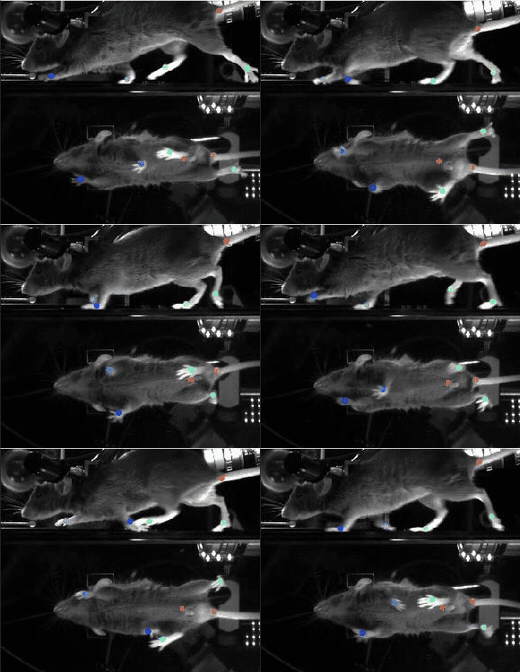
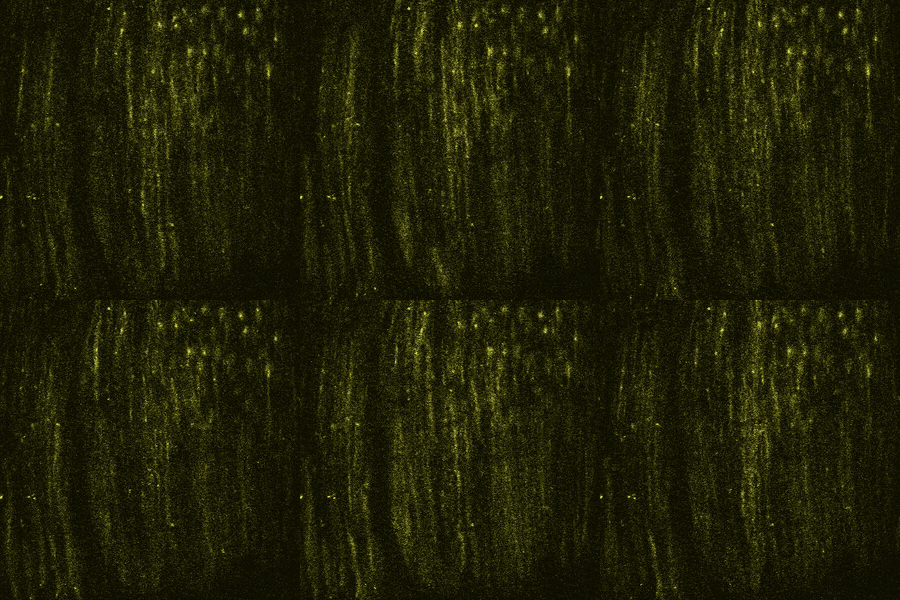

We use optical and electrophysiological techniques in behaving animals to elucidate the mechanisms of sensorimotor information processing in the brain. We are particularly interested in understanding the role of the cerebellum and related brain regions in adaptive behavioral control.
Research themes
- Motor control and learning mechanisms by cerebro-cerebellar loop
- Physiological relevance of diverse information coding in the cerebellum
- Information flow from decision-making to behavior output
- Mechanism of auditory perception in the cortex
Methodology
- Calcium Imaging (two-photon, single-photon)
- Electrophysiology (multi-unit recordings, patch-clamp)
- Optogenetics
- Development of novel behavioral tasks for rodents
- Image processing, machine learning and AI
Recent Papers
-
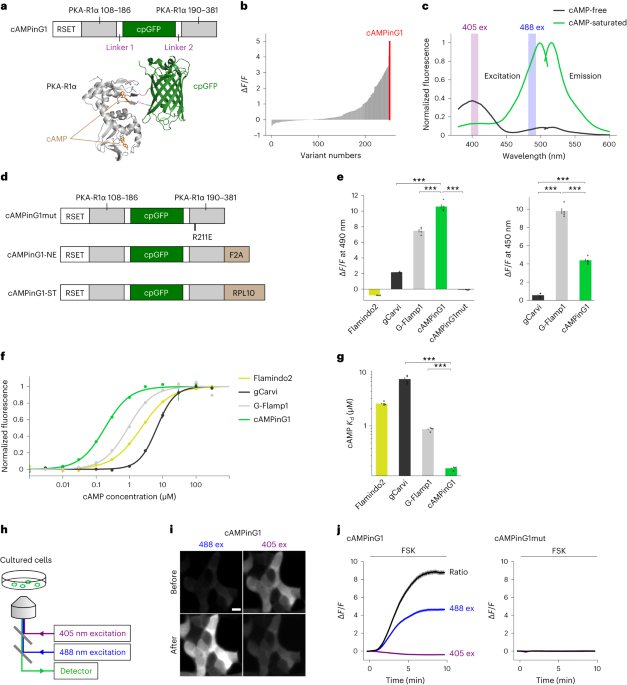
Yokoyama et al., Nat. Methods, 2024
A multicolor suite for deciphering population coding of calcium and cAMP in vivo.
Development of the red calcium sensor RCaMP3 and the green cAMP sensor cAMPinG1. A collaboration with Dr. Sakamoto and colleagues at Kyoto University.
-
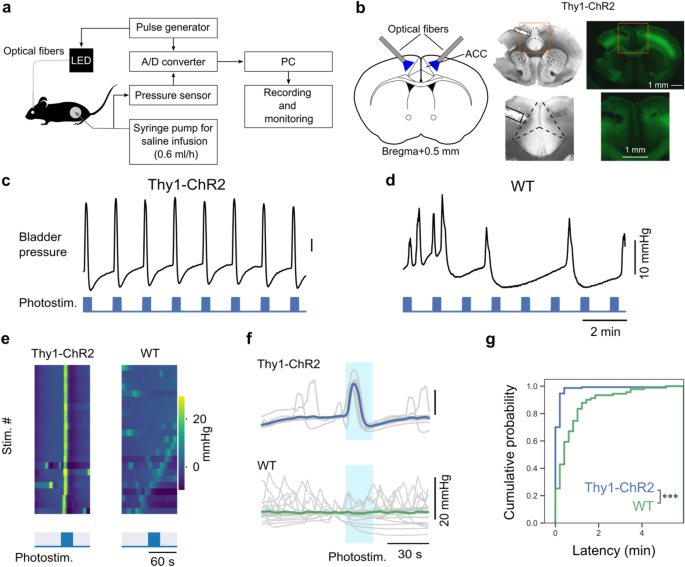
Mochizuki et al., Sci. Rep., 2024
Optogenetic stimulation of neurons in the anterior cingulate cortex induces changes in intravesical bladder pressure and the micturition reflex.
A novel mechanism by which the anterior cingulate cortex controls bladder contraction and micturition. A collaboration with the Department of Urology.
-
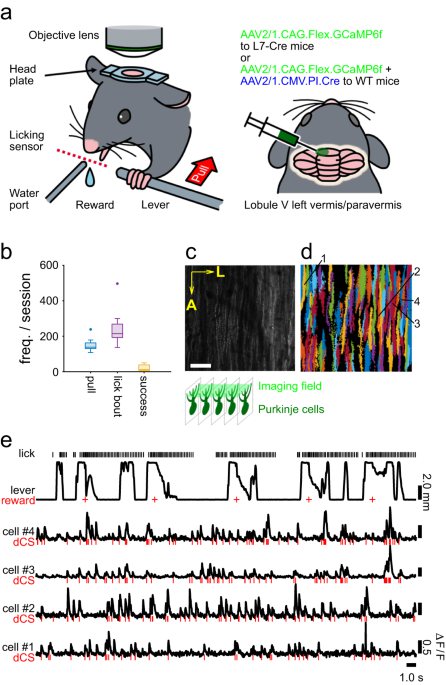
Ikezoe, Hidaka et al., Commun. Biol., 2023
Cerebellar climbing fibers multiplex movement and reward signals during a voluntary movement task in mice.
We show that climbing fibers multiplex diverse movement and reward information and convey it to the cerebellum.
Funding